
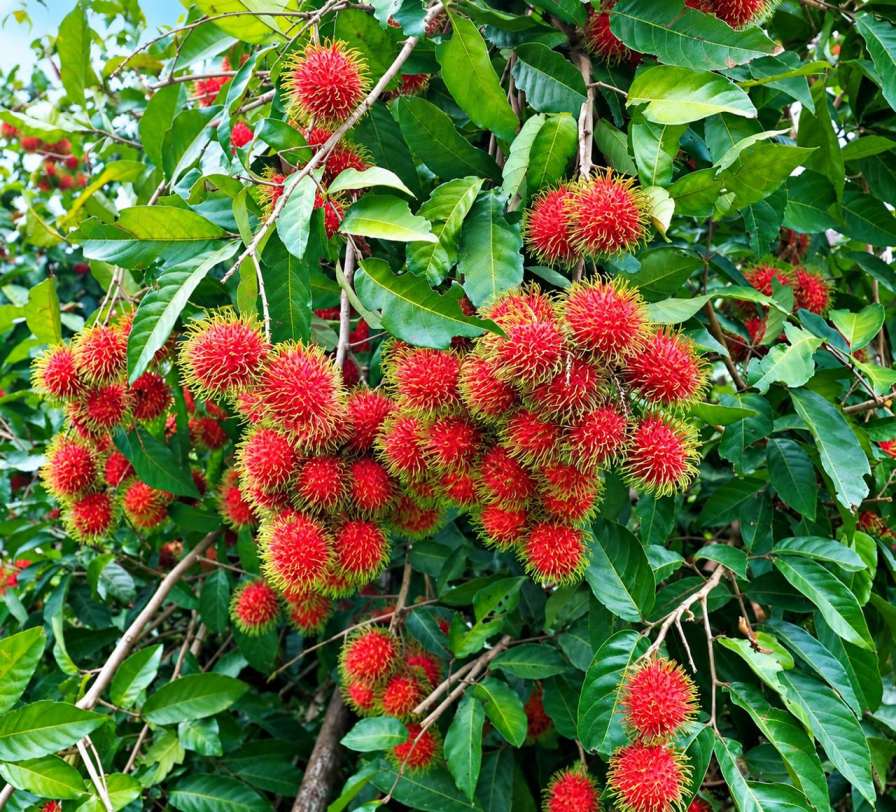
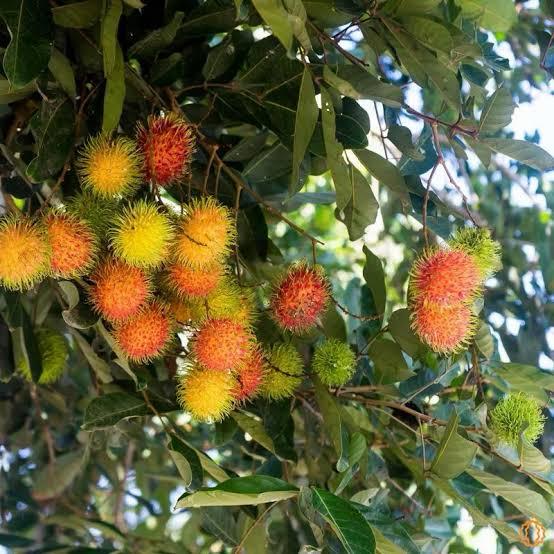
a striking, tropical evergreen tree famous for its vibrant, hairy red fruits and sweet, juicy flesh.
For Retail Order WhatsApp: 8240727580
The Fruit & Foliage
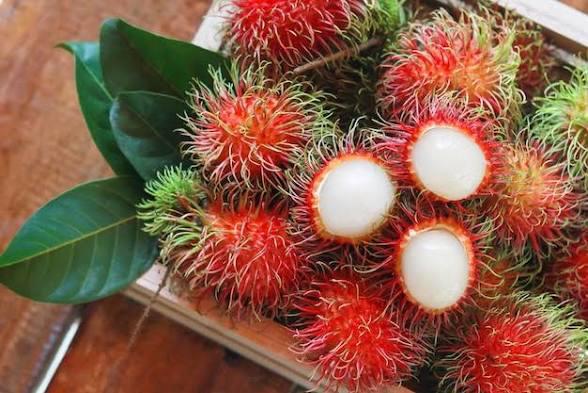
The Fruit: Oval or round, about 1–2 inches wide, covered in soft, hair-like spines (spines turn bright red, orange, or yellow when ripe).
The Taste: Translucent white, succulent flesh that tastes sweet and slightly tangy, similar to a lychee.
Leaves: Glossy, dark green, pinnate leaves arranged in neat pairs.
Flowers: Small, greenish-white to pale yellow clusters that are mildly fragrant.
Growing Requirements
Sunlight: Full sun exposure (6 to 8+ hours of direct sunlight daily).
Climate: Warm and humid tropical or subtropical weather; ideal temperatures range from 22°C to 30°C (71°F–86°F). It cannot handle frost or temperatures dropping below 10°C (50°F).
Soil: Rich, fertile, well-draining sandy loam or clay loam with a slightly acidic pH (5.5 to 6.5). Avoid waterlogged soil.
Watering: Keep the soil evenly moist. Water deeply during dry spells, but make sure roots do not sit in stagnant water.
Best Planting Time: Monsoon (June to September) or early spring (February to March) when conditions are warm and moist.
Fertilizer: Feed regularly with organic compost or well-rotted cow dung manure. Young plants benefit from balanced fertilizers, shifting to phosphorus and potassium-rich blends during flowering and fruiting.
Pruning: Prune dead wood, diseased branches, and lower water suckers annually to increase airflow and light inside the canopy.
Pollination: Many varieties require cross-pollination (having both male and female flowers/trees nearby) aided by bees or insects for a heavy fruit set.